
How to File a Restraining Order Online in Lexington, Kentucky
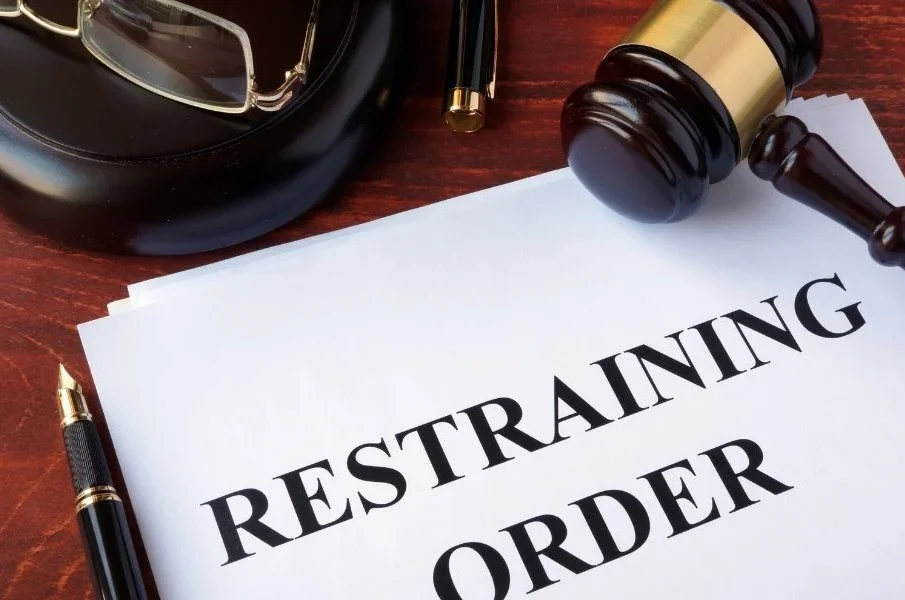
If you feel unsafe and need legal protection, a restraining order can be a critical first step. In Lexington, Kentucky, filing for a protective order has become more accessible, with some options available outside traditional courthouse visits. Here’s what you need to know — the types of orders available, the filing process, and what happens after you submit.
Types of Protective Orders in Kentucky
Kentucky uses specific terminology that differs slightly from other states:
- Emergency Protective Order (EPO) — Issued by law enforcement officers when the courthouse is closed. No court appearance needed immediately.
- Domestic Violence Order (DVO) — Issued by a family court judge after a hearing. Provides longer-term protection.
- Interpersonal Protective Order (IPO) — For situations involving dating partners, roommates, or others who don’t qualify as family members.
Can You File Online in Lexington?
Kentucky has been expanding its digital court access through the Kentucky Court of Justice’s eCourts initiative. As of 2024, some courts offer online filing tools for protective orders through the Kentucky ePORTAL. However, availability varies by county.
For Fayette County (Lexington), the recommended steps are:
- Visit the Kentucky ePORTAL at kcoj.kycourts.net
- Create an account or log in
- Select “Protective Order” from the filing options
- Complete the petition form online — describe the abuse or threat in detail
- Submit and wait for court instructions
If online filing isn’t available or you need an EPO immediately (especially outside business hours), call local law enforcement. Officers can issue EPOs on the spot.
Step-by-Step Filing Process
For an EPO (Emergency):
- Contact Lexington police (LMPD) — available 24/7
- Describe the threat or incident
- Officer issues EPO if criteria are met
- EPO is valid for 14 days
For a DVO (Longer-Term Protection):
- File a petition at Fayette Family Court or via ePORTAL
- A judge reviews the petition — often same day
- A temporary DVO may be issued immediately
- A full hearing is scheduled within 14 days
- Both parties appear; judge decides on a permanent DVO
What Information Do You Need to Include?
Your petition should clearly describe:
- The specific acts of abuse, threats, or harassment
- Dates, locations, and details of incidents
- Any witnesses
- Whether children or pets are involved
- Any weapons owned by the respondent
Be specific and factual. Vague petitions are harder for judges to act on.
Pro Tips
- Take screenshots, save texts, and document injuries before filing — this evidence strengthens your petition.
- Contact a domestic violence advocate in Lexington (such as GreenHouse17) who can help you complete paperwork and accompany you to court.
- You can request the respondent be removed from your home in the order — judges can grant this even if it’s their home too.
Common Mistakes to Avoid
- Waiting to file because you feel the situation “might improve”
- Filing vague descriptions instead of specific incidents
- Not showing up to the follow-up hearing — your DVO could be dismissed
- Contacting the respondent after the order is in place (it can affect your case)
FAQs
Q: Is there a filing fee for a protective order in Kentucky? No. Filing fees are waived for protective orders in Kentucky.
Q: How long does a DVO last in Lexington? A DVO can last up to three years and can be renewed.
Q: Can I get a protective order against a coworker or neighbor? Yes, through an Interpersonal Protective Order (IPO) if the situation meets the legal criteria.
Q: What happens if the respondent violates the order? Violating a protective order in Kentucky is a criminal offense. Call 911 immediately.
Conclusion
Filing a restraining order in Lexington, Kentucky doesn’t have to be overwhelming. Whether you file online through the Kentucky ePORTAL, in person at Fayette Family Court, or by calling law enforcement for an emergency order, the system is designed to act quickly when someone’s safety is at risk. Don’t wait for the situation to escalate — take action, document everything, and reach out to a local advocate or attorney for support throughout the process.



Leave a reply



-
What Makes High-Asset Divorce Proceedings Complex?
High-net-worth divorce encompasses much more than merely sharing property amongst spouses. High-asset ... -
-
-
-
-
-
-
-